






A home can do more than provide a place to rest. With a few thoughtful changes, it can also encourage movement, make daily activities easier, and support a more active lifestyle. You do not need a large house, expensive equipment, or a full renovation to create a comfortable space for active living.
Small updates to your layout, lighting, storage, and furniture can make it easier to stretch, walk, exercise, and stay comfortable throughout the day. The goal is to create a home that feels welcoming while supporting the activities you already enjoy.
Clear Space for Movement
One of the simplest ways to make your home more active-friendly is to create open areas where you can move safely. A clear space can be used for stretching, light workouts, dancing, indoor games, or simply walking around more easily.
Start by looking for areas that collect unnecessary furniture or clutter. You may be able to create usable floor space by:
– Moving small tables against a wall
– Removing furniture that blocks walkways
– Storing baskets, toys, and equipment in one place
– Keeping cords secured and out of walking paths
– Using furniture with a smaller footprint
You do not need a dedicated exercise room. A section of the living room, bedroom, hallway, or home office may work well. Even a space the size of a yoga mat can provide room for simple movement.
Keep the floor surface comfortable and secure. A nonslip mat can add cushioning and help define an activity area. If you use area rugs, make sure they have nonslip backing or rug pads to help keep them in place.
Make Everyday Routes Easier
Active living often comes from ordinary routines rather than structured exercise. Walking to different parts of your home, standing while completing tasks, and using stairs regularly can all add movement to the day.
Take a look at the routes you use most often. Are they easy to navigate? Do you have to move around clutter or search for frequently used items? Improving these paths can make everyday movement more comfortable.
Consider these practical changes:
– Keep hallways and entrances free of loose items
– Place commonly used objects within easy reach
– Store shoes and outerwear near the main entrance
– Use sturdy furniture for sitting while putting on shoes
– Keep frequently used kitchen tools in accessible locations
A well-organized home removes small obstacles that can make movement feel inconvenient. It also helps the space feel calmer and more comfortable.
Add Comfortable Supportive Furniture
Furniture should support both activity and recovery. Choose pieces that allow you to sit comfortably after moving while still helping you maintain a natural, relaxed posture.
Look for chairs and sofas with:
– Firm but comfortable cushions
– Supportive backs
– Easy-to-clean fabrics
– Armrests that make standing easier
– A height that allows your feet to rest comfortably on the floor
In active areas, avoid furniture that is too bulky or difficult to move. Lightweight stools, folding chairs, or nesting tables can give you flexibility when you need more open space.
A small bench near the entryway can support daily routines, while an ottoman can provide a place to rest without taking up as much space as an extra chair. Choose furniture based on how you use each room, not just how it looks.
Improve Lighting for Comfort and Safety
Good lighting can make movement around the home more pleasant. It also helps you see changes in floor levels, furniture edges, and objects that may be in your path.
Use a combination of lighting types:
General Lighting
Ceiling lights provide overall illumination. Choose fixtures that spread light evenly instead of leaving dark corners.
Task Lighting
Task lights are useful for activities such as reading, cooking, stretching, crafts, and working at a desk. A movable lamp can be adjusted as your needs change.
Accent Lighting
Accent lights can make a room feel warm and inviting. Use them to highlight shelves, artwork, or architectural features without creating glare.
Whenever possible, make use of natural light. Keep windows clear and use curtains or shades that allow you to adjust brightness throughout the day. Motion-sensor lights or plug-in night-lights can also make hallways and entry areas easier to navigate in the evening.
Create a Simple Home Workout Area
A small, organized workout area can make movement more convenient. The space does not need to look like a gym. A clean corner with a few useful items may be enough.
Depending on your interests, you might include:
– A comfortable exercise mat
– Resistance bands
– Light hand weights
– A sturdy step platform
– A small speaker
– A wall mirror
– A basket for storing equipment
Keep the items visible or easy to access if you want to use them regularly. At the same time, avoid creating clutter. A storage basket, cabinet, or shelf can keep equipment together when it is not in use.
Leave enough room around the area for comfortable movement. Before beginning any activity, check that the floor is dry, the equipment is in good condition, and nearby furniture will not cause problems.
Use Storage That Encourages Activity
Storage can help you make active choices easier. When items are organized and ready to use, you are more likely to include them in your routine.
Store outdoor items near the door, such as walking shoes, hats, water bottles, and lightweight bags. Keep indoor activity supplies in a labeled basket or cabinet. If you enjoy cycling, hiking, gardening, or recreational sports, create a designated place for related gear.
Open shelving can make items easy to see, while closed storage can create a cleaner appearance. Choose the option that best fits your habits. The most useful storage system is one that makes it simple to put items away and find them again.
Add Features That Invite Movement
Your home can gently encourage more movement without making it feel like a workout space. Small design choices can help you stand, stretch, and change positions more often.
Try adding:
– A standing-height surface for short tasks
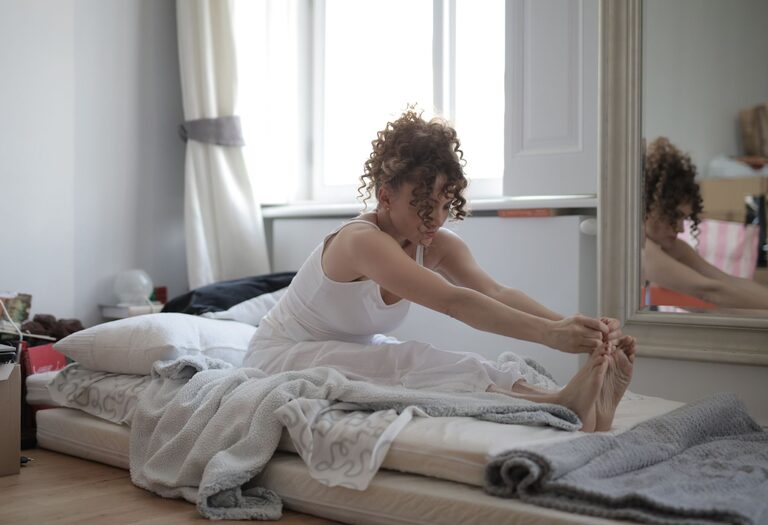
– A comfortable mat where you can stretch
– A small table that can be moved aside easily
– A wall-mounted calendar for planning active time
– A comfortable outdoor chair on a porch or patio
– Plants that require light care and regular attention
You can also place frequently used items in different areas of the home. For example, keep books in a reading area rather than beside the sofa, or place a water bottle in a kitchen area instead of next to your usual seat. These small choices can add more natural movement to your routine.
Make Outdoor Areas More Inviting
If you have a balcony, patio, yard, or shared outdoor space, make it comfortable enough to use regularly. Outdoor areas can support walking, gardening, stretching, relaxing, and social activities.
Add simple features such as:
– Comfortable, weather-resistant seating
– Clear walking paths
– Outdoor lighting
– Containers for gardening
– A small table for drinks or supplies
– Shade from an umbrella or canopy
Keep surfaces clean and free from loose objects. Arrange outdoor furniture so there is room to move around it comfortably.
Keep Comfort at the Center
Active living does not mean filling every room with equipment or constantly staying busy. A comfortable home should support movement as well as rest. Include soft seating, quiet corners, and spaces where you can relax after an active day.
Review your home every few months and notice what works well. You may find that a piece of furniture needs to be moved, a storage area needs updating, or an activity space could be more convenient.
The best changes are usually simple and practical. By clearing pathways, improving lighting, choosing supportive furniture, and keeping activity tools easy to reach, you can create a home that makes everyday movement feel natural and enjoyable.